About
Laura Briggs
Therapeutic Massage & Wellness
At Laura Briggs Therapeutic Massage & Wellness, care begins with listening.
Every person experiences pain, stiffness, and movement challenges differently. My approach is built around taking the time to understand what your body is doing, how it’s adapting, and what it needs in order to move with more ease and stability.
Sessions are collaborative and responsive. I pay close attention to how your body responds throughout the work, and I welcome your input so each session stays aligned with your goals and physical needs. There is no preset routine and no rushing. The work follows the body, not a script.
My focus is on clinical, results-oriented bodywork, shaped by how your body responds, to help reduce pain, improve movement, and support lasting change.
My Approach to Care
I work slowly and deliberately, allowing tissues to soften rather than pushing through resistance. This approach supports the body’s ability to reorganize without triggering guarding or additional tension.
As I work, I share observations when it’s helpful. I may explain patterns I’m noticing in the soft tissues or fascia and offer simple, practical suggestions that can help changes carry over between sessions. Education is part of the process, not as instruction, but as a way to better understand how your body is responding.
The goal is always the same: to help your body feel and move better in a way that supports daily life, work, and long-term comfort.


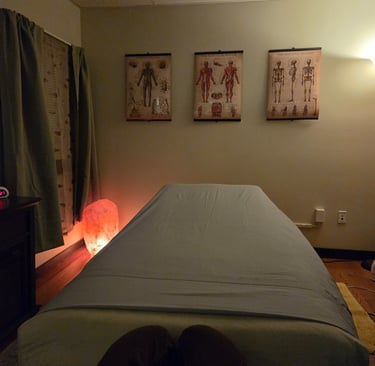
About Laura Briggs
I’m a Licensed Massage Therapist and Holistic Health Practitioner with more than 15 years of experience in therapeutic practice. I’m someone who tends to observe carefully, ask questions, and want to understand why things behave the way they do before trying to change them.
My foundation in Kriya massage influenced me early on to pay attention to subtle changes in the body rather than relying on routines. Over the years, listening to my clients and receiving massage from other practitioners, I wanted to find a way to work deeply to provide pain relief without causing more pain or guarding in the tissues. It never made sense to me to force tissues in a way that causes the body to tense up. That felt like the opposite of what we were trying to accomplish.
That way of thinking was further shaped in 2015 when I attended the International Fascia Congress. At the time, research into fascia and connective tissue was still emerging, and learning how extensively fascia influences movement, pain patterns, and overall function shifted how I understood the body. It sparked a deeper interest in working with fascia to achieve better results from the work, and many of my classes since then have focused on fascia-based approaches.
Outside of my professional work, I spend a lot of time gardening herbs for cooking and remedies, growing food to preserve for winter, and planting flowers to attract pollinators that support the health of my gardens. I enjoy hands-on projects, including building new garden spaces, refinishing furniture, sewing, yarn crafts, and zen doodling. And I’m always on the lookout for a good book on fascia, anatomy or a new modality to learn.


Who I Commonly Work With
I regularly work with people managing chronic pain, injury recovery, general stiffness, and changes in mobility related to aging or long-term conditions. This includes individuals living with Parkinson’s disease, fibromyalgia, and arthritis, as well as those who feel like certain areas of their body never fully improve despite trying other approaches.
Some clients come in looking for relief. Others are looking to better understand their body and how to work with it moving forward. Both are welcome here.
Beyond the Table
Lasting change often involves more than hands-on work alone.
When appropriate, wellness guidance may be integrated into sessions to help reinforce progress between visits. This can include practical insights related to movement habits, posture, nutrition, herbal support, stress response, or simple mindfulness practices that influence how the body holds tension and adapts over time.
The aim is not to add complexity, but to offer tools that fit real life and help changes hold.
Reach out to begin your healing journey today!
If you have any questions, please don't hesitate to ask.
Phone
© 2026. All rights reserved.
By Appointment only
Monday 9:00 am to 5:00 pm
Tuesday 9:00 am to 7:00 pm
Wednesday 9:00 am to 7:00 pm
Friday 9:00 am to 5:00 pm
Content on this website is for educational purposes only and is not a substitute for medical advice, diagnosis, or treatment. Individual responses to massage therapy and bodywork vary. Please consult a qualified healthcare provider for medical concerns or conditions.
NH License #3615
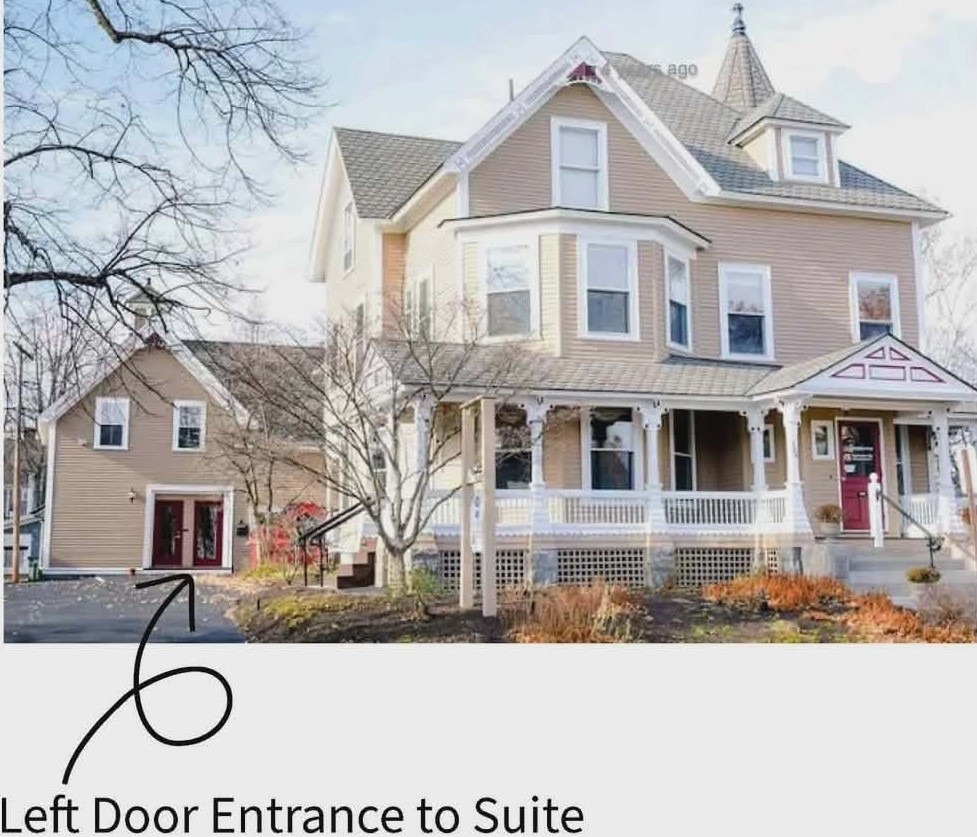
764 Chestnut St, 1st Floor Carriage House
Manchester, NH 03104